Why Does Switching Providers Feel Like It Costs Less Attention Now?
Switching providers used to feel like a heavy lift. It required hours phoning up customer services, hunting down the right forms, and juggling conflicting offers. In 2024, that all feels different. Consumer switching feels faster, easier, and—crucially—it costs less attention and effort. But why exactly is that? What’s changed that makes the process so much smoother for millions of people?
In this post, we’ll compare prices online explore the key reasons behind this shift, focusing on always-on access and instant lookup, the role of comparison sites (particularly in areas like vehicle servicing), how the post-pandemic settling has shaped consumer behaviours, and why research-first purchase journeys are now the norm.
Always-On Access and Instant Lookup: The New Normal
We live in an age where information is always at our fingertips. Thanks to smartphones, tablets, and constant internet connectivity, nobody needs to wait or dig deep to find basic details. This “always-on” access has a huge impact on consumer switching.
Instant Answers with Comparison Tools
Take vehicle servicing as a practical example. Comparison sites allow users to quickly scan options, read reviews, compare prices, and even book appointments—all in one place. Instead of driving between garages or hunting for leaflets, consumers can spend minutes online and feel confident they’ve found a good deal.
Similarly, map applications have become indispensable when verifying addresses or checking service locations. Rather than relying on written directions or vague instructions, people can see exact pins on a map, estimate travel times, and confirm the convenience of providers before committing.
- Always available: You can look up information anytime, from anywhere.
- Instant comparisons: Price, location, and reviews are visible side-by-side.
- Reduced uncertainty: Maps and route planners confirm proximity and accessibility.
This collapse in friction—where you no longer have to toggle endlessly between tabs, chase paper forms, or double-check details by phone—means consumers comfortably explore options without the usual hassle or mental load.
The Growth of Online Retail and the Post-Pandemic Settling
The pandemic accelerated a switch towards online retail, but the biggest shifts tend to happen gradually over time. The initial shock saw consumers try new channels and providers out of necessity, but more recently, we've seen a steady settling where habits stabilise around what’s most convenient and effective.
For consumer switching, this means two important shifts:
- Online tools and platforms have matured. Far fewer sites feel clunky or incomplete. Brands have integrated their sales, customer service, and user reviews, creating seamless environments that encourage easier switching.
- Consumers expect frictionless processes and are quick to dismiss providers who make things complicated. This raises the bar on user experience and transparency.
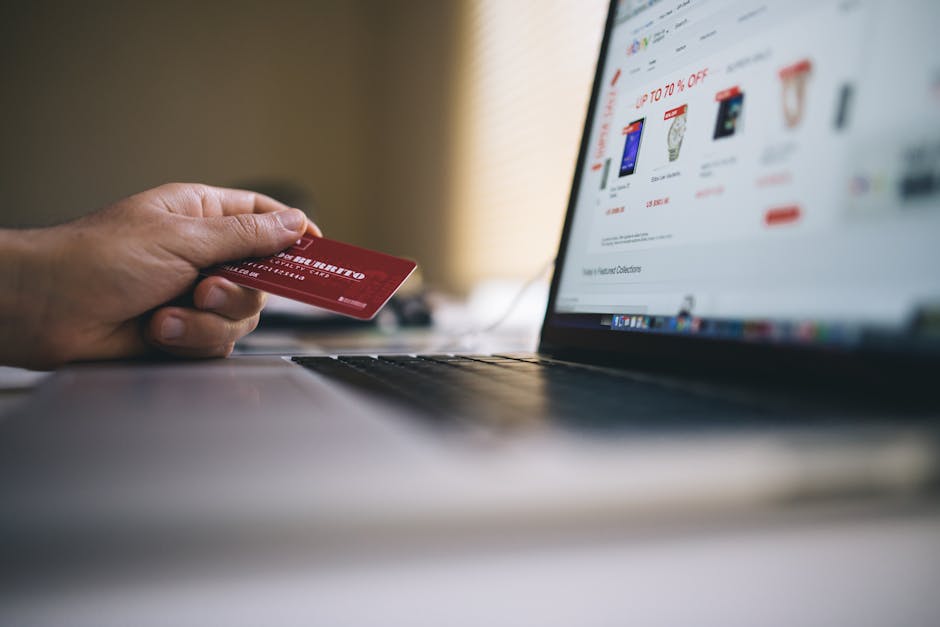
According to the UK Office for National Statistics (ONS), internet purchases by individuals have consistently grown over recent years, stabilising around 25%-30% of total retail sales. This isn’t a simple online vs offline battle; rather, people mix channels conveniently. Most shoppers gather info online first, then choose whether to complete the purchase digitally or in-store.

Settling Means Simpler Switching
This mixed mode of shopping means switching providers no longer demands a full overhaul of behaviour. People may keep familiar habits—such as visiting a local garage or store—but at the same time, they compare prices and book services through online tools. This seamless hybrid approach lowers the perceived cost of switching and reduces the need for attention.
Research-First Purchase Journeys: A Modern Expectation
Gone are the days when buyers blindly signed up without doing any homework. Nowadays, research-first purchase journeys dominate. Consumers start with comparisons, reviews, and detailed feature checks before making a choice.
Websites, apps, and forums provide everything needed to feel prepared:
- Side-by-side price comparisons
- Verified customer feedback
- Detailed product or service descriptions
- Clear maps and contact details
Because most of this prep happens asynchronously—when it suits the customer—the actual switch feels shorter and more straightforward. By the time a consumer picks up the phone or clicks “buy,” they've already done much of the mental heavy lifting.
Comparison Friction Collapse: What Does It Really Mean?
“Comparison friction” describes the barriers or hassles that make switching providers tricky. These are the tiny frictions I keep a list of, as they collectively add up to a substantial mental cost. Thanks to advances in technology and consumer expectations, many of these frictions have nearly disappeared:
Traditional Friction Point Modern Solution Impact on Switching Limited access to pricing and terms Comparison websites display multiple providers openly, with transparent pricing Less time spent hunting for info, more confident decisions Uncertainty over location or provider quality Maps apps and verified reviews confirm addresses and service standards Reduced risk and mental effort in validation Needing to repeatedly contact providers Online booking and digital customer services streamline the process Switching can be done in minutes, not hours Confusing terms and hidden fees Clear service descriptions and comparison filters highlight key differences upfront Better side-by-side understanding without guessworkWhen these points are addressed, the overall cost of consumer switching—in terms https://seo.edu.rs/blog/why-does-loyalty-feel-weaker-when-i-can-compare-everything-online-11200 of attention, time, and hassle—drops sharply.
Wrapping Up: Why This Matters for Consumers and Providers
For consumers, the lower attention cost means more freedom. You don’t need to dread switching providers anymore. Whether for vehicle servicing, utilities, or insurance, quick access to trustworthy, clear, and comparable information makes choices easier and faster.
Providers, meanwhile, need to understand that the bar for frictionless switching is now high. Slow websites, poor information, or tricky booking processes will lose customers who expect instant lookup and easy comparison.
In 2024, consumer switching has become less about massive effort and more about informed, small steps enabled by technology. It’s an evolution that benefits everyone—so long as brands keep their processes transparent and consumer-friendly.
Further Reading and Tools
- Comparison sites for vehicle servicing
- Map applications to verify providers' addresses
- ONS data on retail and internet sales