What’s the Difference Between Automation and AI in the Workplace?
In recent years, small and medium-sized enterprises (SMEs) have made significant strides in adopting new technologies to improve business processes. Tools like ChatGPT and Microsoft Copilot have introduced fresh possibilities, blurring the lines between traditional automation and artificial intelligence (AI). But what exactly differentiates AI from workflow automation? How should SMEs approach integrating these technologies without disrupting existing operations? And what role does project leadership play in bridging the gap between AI use https://bizzmarkblog.com/whats-the-difference-between-an-ai-user-and-an-ai-project-lead/ and meaningful process redesign?
In this article, we’ll explore these questions with practical examples, drawing on insights from industry voices such as SME News and AI Global Media. We’ll also touch on emerging conversations around innovation in events like the Southern Enterprise Awards 2026, which highlight how SMEs are experimenting with these tools.
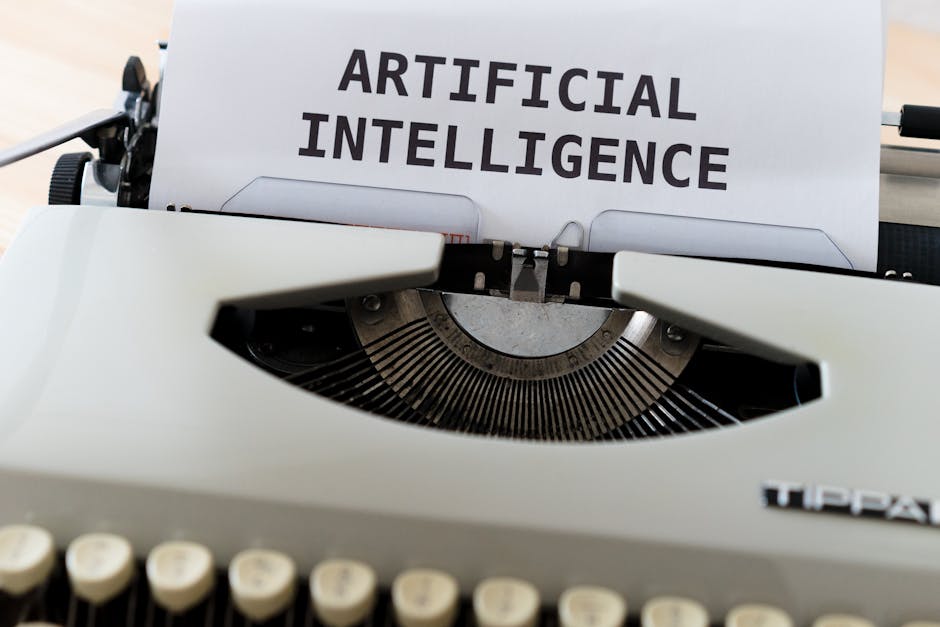
AI vs Automation: Understanding the Core Differences
Before diving deeper, let’s clarify the difference between automation and artificial intelligence (AI) — two terms often used interchangeably but fundamentally distinct in workplace contexts.
What Is Workflow Automation?
Workflow automation refers to using technology to perform repetitive, rule-based tasks without human intervention. It follows predefined procedures consistently and reliably. Examples include:
- Generating standard reports every morning
- Routing approval requests to managers automatically
- Sending out standardised email reminders when deadlines approach
- Transferring data between systems to reduce manual input
These tasks have clear, fixed rules. The main goal is to streamline business processes, reduce errors, and free employees from monotonous work.
What Is AI in the Workplace?
AI, on the other hand, involves machines simulating human-like intelligence, including learning, reasoning, and decision-making. Contemporary AI tools, such as ChatGPT or Microsoft Copilot, are adept at processing unstructured data, generating language, and adapting to new inputs.
Examples of AI applications in business processes might be:
- Generating first-line customer service responses to complex queries
- Analysing large datasets to identify emerging sales trends
- Creating drafts of marketing copy or contracts that require review
- Flagging unusual transactions for fraud risk assessment
AI is less about strict rules and more about patterns, prediction, and flexibility. It thrives in environments where human judgement and nuance were traditionally required.
Why SMEs Are Experimenting with AI Tools, but Automation Still Leads
According to reports by SME News and analysed by AI Global Media, many SMEs are starting to experiment with AI tools like ChatGPT and Copilot to modernise their operations. However, a common theme emerges in these discussions: the gap between AI usage and actual process redesign.
For example, an SME might start using ChatGPT to draft client emails workflow automation tools for teams or meeting notes. While this adoption reduces typing time, the underlying workflow remains unchanged — employees still manually review, edit, and send the emails. This leads me to ask one of my key questions whenever a tool is recommended: what changed in the workflow?
This distinction is critical. AI can enhance specific tasks within existing workflows, but unless the broader process is redesigned, efficiencies remain bounded by old constraints.
The Automation Advantage
Traditional workflow automation tools are often easier to implement because their scope is narrow and predictable. Approval requests, expense claims, and reporting are all well-understood processes where automation reduces manual effort dramatically.
It’s no surprise that automation adoption remains widespread among SMEs, even as enthusiasm for AI rises.
Bridging the Gap: From AI Usage to Process Redesign
When assessing AI projects, SMEs must transcend simple tool usage and consider comprehensive workflow redesign that unlocks true value.
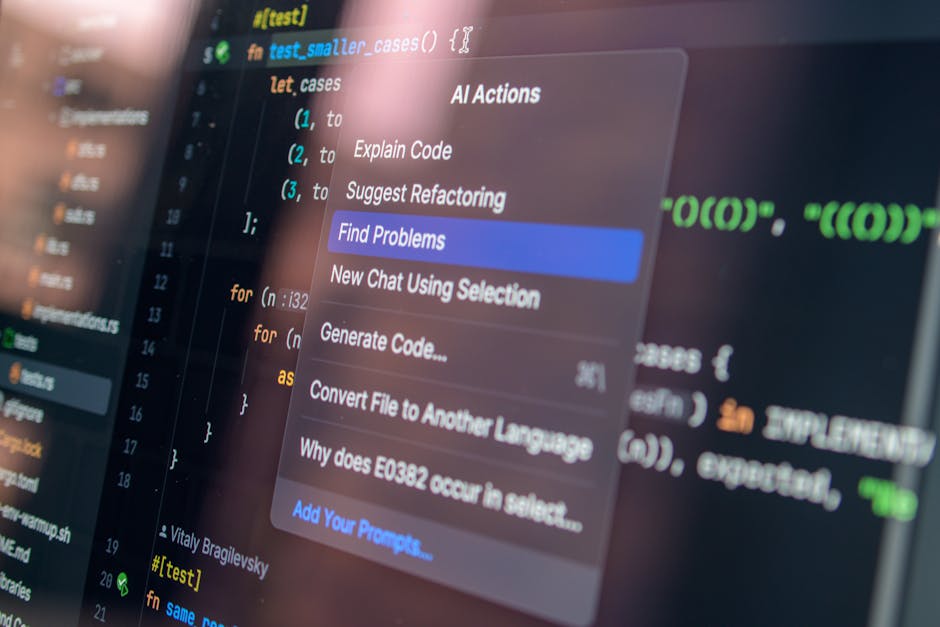
For example, instead of just asking ChatGPT to draft sales proposals faster, companies could:
- Map the entire proposal creation and approval process
- Identify bottlenecks and manual tasks that slow responsiveness
- Integrate AI-generated drafts with automated review and version control
- Establish feedback loops where AI learns from edits to improve future drafts
This combination of AI and process automation triggers compound productivity gains. Workflow automation manages structured approvals and tracking, while AI accelerates creative and cognitive tasks.
Yet, this level of process thinking requires focused leadership to coordinate technical, operational, and people elements.
Training Existing Staff vs Hiring New Specialists: What’s the Right Balance?
One hot topic highlighted at forums like the Southern Enterprise Awards 2026 is how SMEs build internal capabilities around AI and automation.
Many SMEs face a choice:
- Train existing staff to use and integrate new AI-powered tools into their day-to-day work
- Hire specialist roles like data scientists, AI consultants, or automation engineers to lead projects
In my experience, training existing employees often yields better long-term adoption if managed well. SMEs benefit when those who understand core business workflows also grasp the new tools’ potential and limits.
However, the learning curve for AI and automation can be steep, especially when used at scale — so bringing in external expertise for project leadership is a sensible first step. Ideally, external experts work alongside internal teams to build capabilities rather than take full ownership.
Example: Upskilling Customer Operations Teams
Imagine a customer ops team using ChatGPT to assist with ticket triage. Instead of hiring AI specialists for every project, SMEs could run targeted workshops teaching staff how to prompt AI effectively, how to spot when outputs need correction, and how to integrate AI with existing CRM tools.
Simultaneously, automation specialists can develop backend workflows that transition tickets to the right agents automatically, combining AI-generated insights with process automation.
Project Leadership for AI and Automation Success
Successful adoption of AI and automation in SMEs hinges on clear project ownership and communication. Here are some guiding principles:
- Define clear goals: Outline what business problem the AI or automation effort intends to solve, and how success will be measured.
- Assign accountable owners: Often a cross-functional leader who understands both the technology and operational workflows.
- Map existing workflows: Identify manual tasks people still do by hand for no reason — these are ripe for automation or AI augmentation.
- Iterate with user feedback: Build trust by involving end users early to validate tools and processes.
- Ensure governance and data security: Avoid risks associated with AI misuse or sensitive data leaks.
Even with AI’s allure, sweeping tool-first implementations without these steps often break day-to-day delivery or cause resistance.
Case Study Insight from AI Global Media
A recent feature by AI Global Media highlighted SMEs that succeeded by combining low-code automation platforms with AI to overhaul their invoice processing workflows. These companies carefully redesigned processes to include automatic data extraction, AI validation, and approval workflows, managed by dedicated project leads who liaised between finance teams and developers.
Summary: Aligning AI and Automation for SME Growth
Aspect Workflow Automation AI Applications Nature Rule-based, repeatable tasks Learning, adaptive, pattern recognition Examples Approvals, report generation, reminders Natural language generation, data analysis, decision support Adoption focus Automating known processes Enhancing cognitive and creative tasks Workflow change Often minimal Requires process redesign for full benefit Training Often internal staff upskilling Typically mix of specialist and upskillingFor SMEs, the key takeaway is that AI and automation are complementary tools — not competing ones. By asking “ what changed in the workflow?” before selecting tools, and by investing in both project leadership and staff training, companies can move beyond piecemeal AI usage towards transformative business process improvements.
Events such as the Southern Enterprise Awards 2026 will undoubtedly showcase those SMEs leading the way, demonstrating how AI and automation, when integrated thoughtfully, can create smarter, more agile organisations ready for future challenges.